When a single flower is a nature reserve unto itself
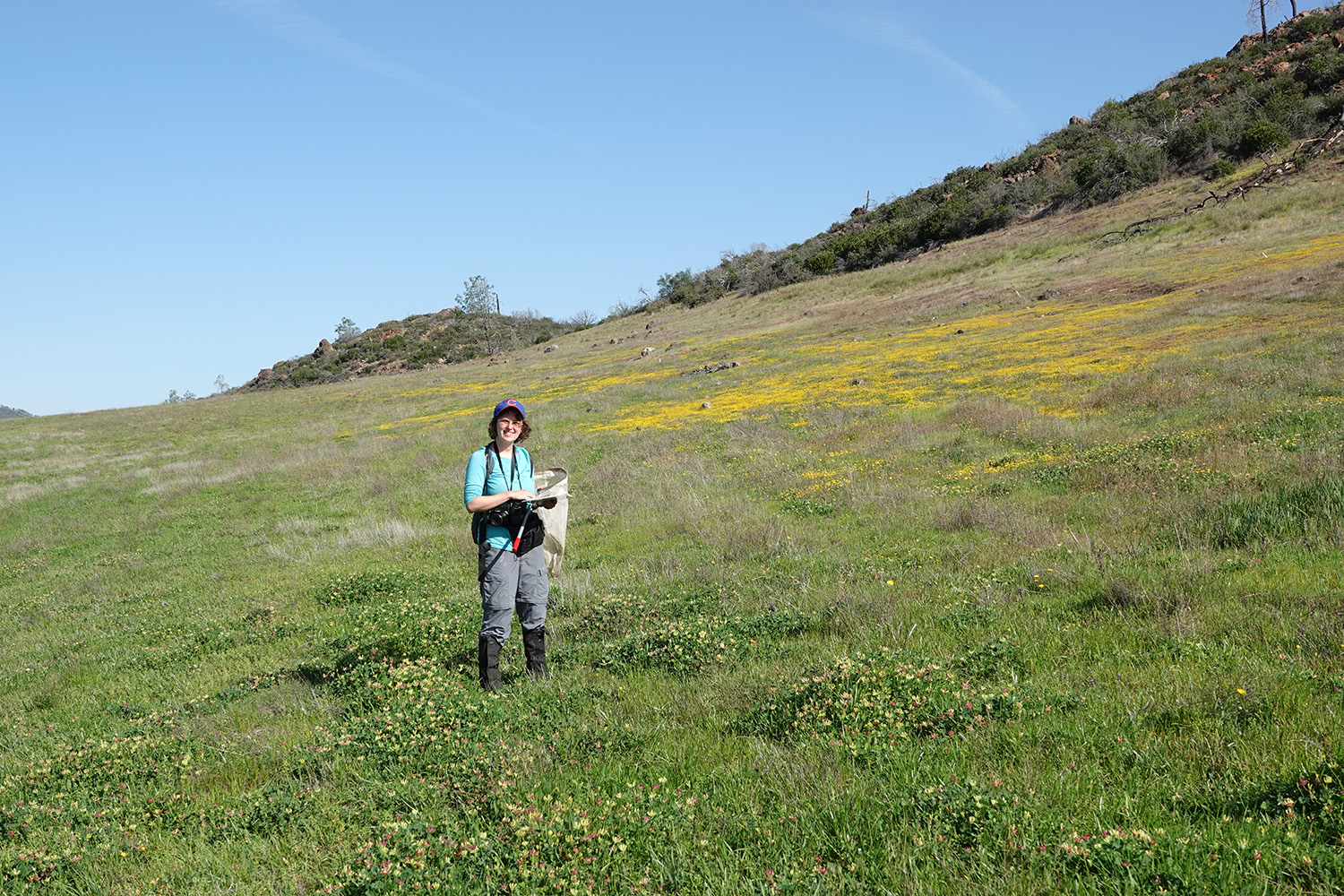
The flowers in this meadow teem with mysterious microbial life.
MSU Presidential Postdoctoral Fellow Becca Nelson has spent more time than most strolling through meadows, making note of what’s in bloom.
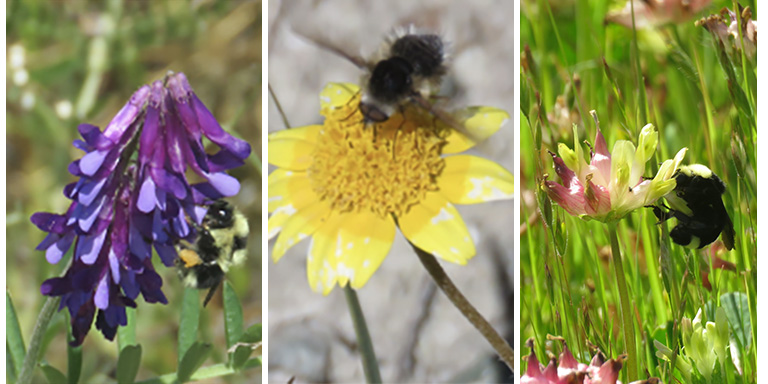
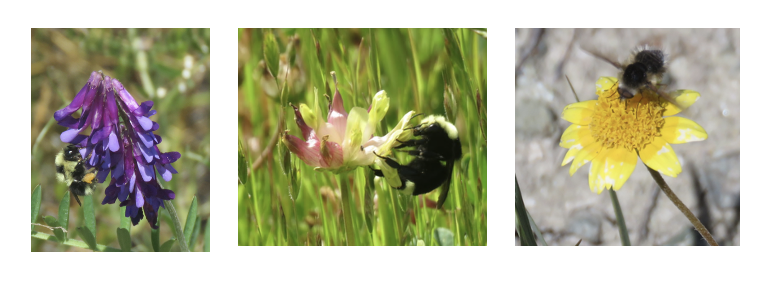
In the grasslands of northern California where she worked during her PhD, there might be California goldfields, the golden daisy-like flowers that blanket the meadows in bright yellow carpets each spring.
Or pink-tinged creamy flowers — those are called bull clover.
And the sprawling stems topped with clusters of purple flowers tempting the bees? That’s hairy vetch.
But each of these wildflower species is also unique in another way, Nelson says: because of the microscopic ecosystem hidden within.
That’s one of the takeaways of a study published Oct. 6 in the journal Oikos.
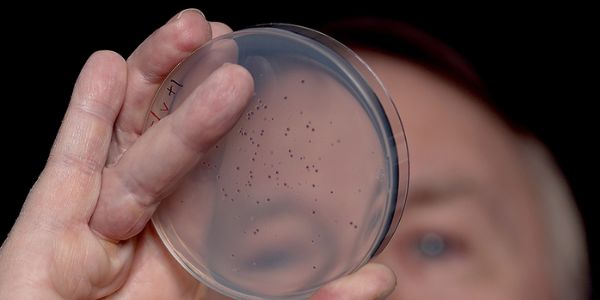
For the study, she and colleague Gillian Bergmann of the University of California-Davis collected wildflowers from six meadows in the University of California's McLaughlin Reserve, then used genetic sequencing to figure out what types fungi were living within each flower.
Their findings show that wildflowers are home to an astonishing array of fungi. All in all, the team identified more than 2,600 types.
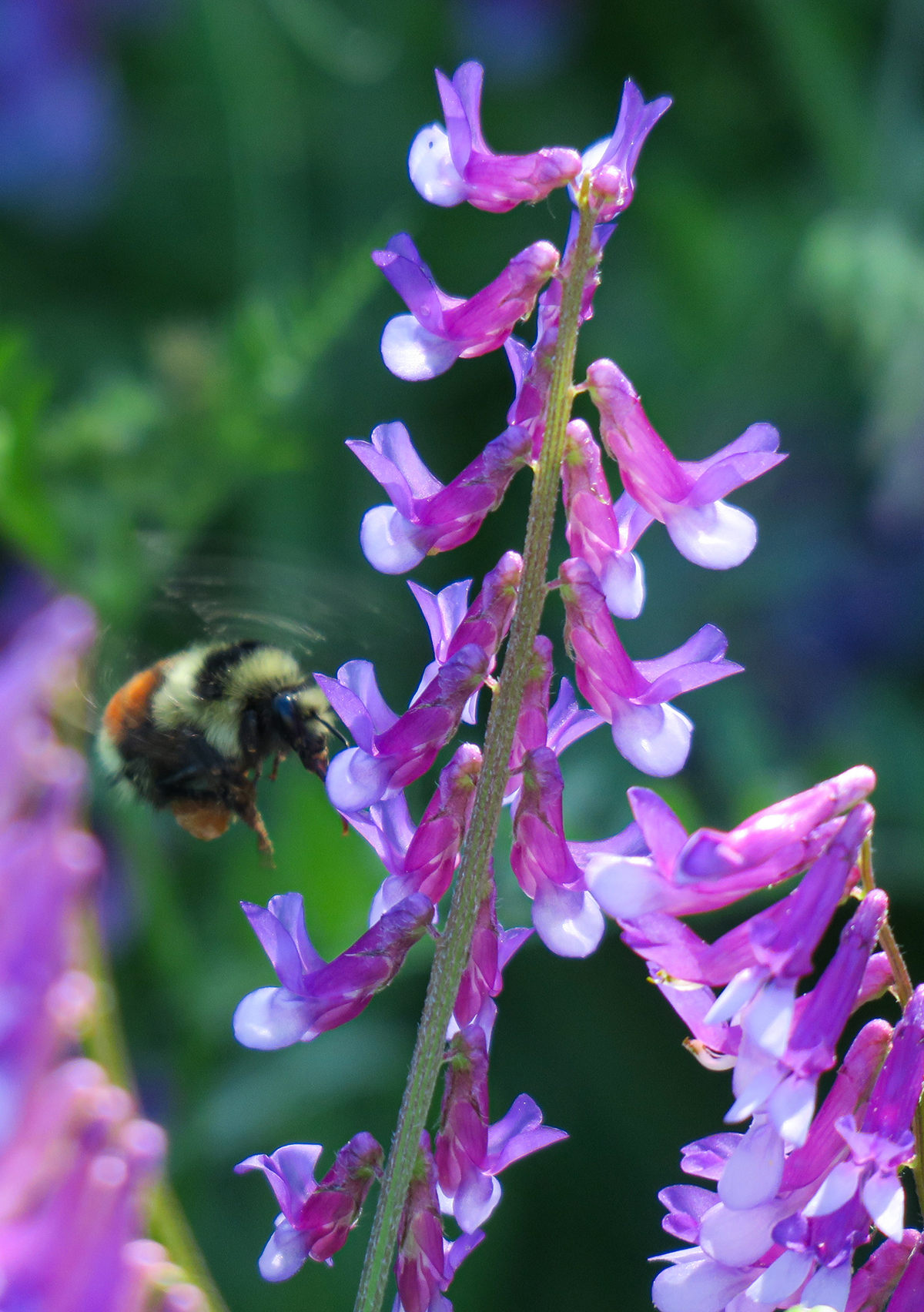
We don’t really understand much about why plants like this hairy vetch have one set of fungi in their flowers and clovers have another set. Credit: Becca Nelson.
They also found that wildflowers differ in terms of which fungi live in them. The clover flowers they collected were hotspots for yeasts, while the goldfields and vetch harbored more molds.
Why the fungi on one flower species differ from the fungi on another is unclear, Nelson says.
More research is needed to disentangle which fungi spread from plant to plant by wind, for example, or when insects collecting nectar and pollen also pick up spores as they buzz between flowers.
“There's a lot we still don't know about the fungi on flowers,” Nelson said.
“They're often overlooked because of how invisible they are,” she added. But many of these fungi are harmless, and some might even be helpful, fending off harmful microbes or making the flowers more appealing or nutritious to pollinators by altering their nectar chemistry or changing their scent.
Nelson is looking at the fungi on flowers in Michigan now too.
In a freezer at the Kellogg Biological Station, she says hundreds of black-eyed Susans collected in nearby fields await their microbiome tests.
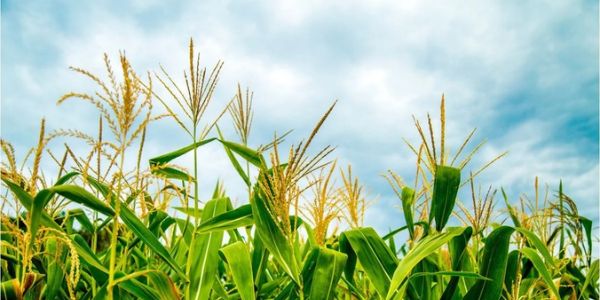
She hopes to learn whether strategically planting native prairie plants in farmers’ fields could help foster beneficial fungi on row crops such as corn and soybean.
“From a conservation and restoration standpoint, these fungi could be an additional invisible partner within the web of relationships between plants and their pollinators,” Nelson said.
CITATION: "The assembly of floral fungal communities in multihabitat landscapes," Rebecca A. Nelson, Gillian E. Bergmann, Emma E. Jochim, Fernanda S. Valdovinos. Oikos, Oct. 6, 2026. DOI: 10.1002/oik.12813