Taking a big picture approach to studying food webs
Ecology usually feels intensely local. You can spend years studying one pond, one forest patch, one valley, and still feel like you’ve only scratched the surface.
The problem is that this slow, place-by-place approach doesn’t always tell us which patterns hold more broadly, especially when ecosystems are being reshaped by climate change and human pressure.
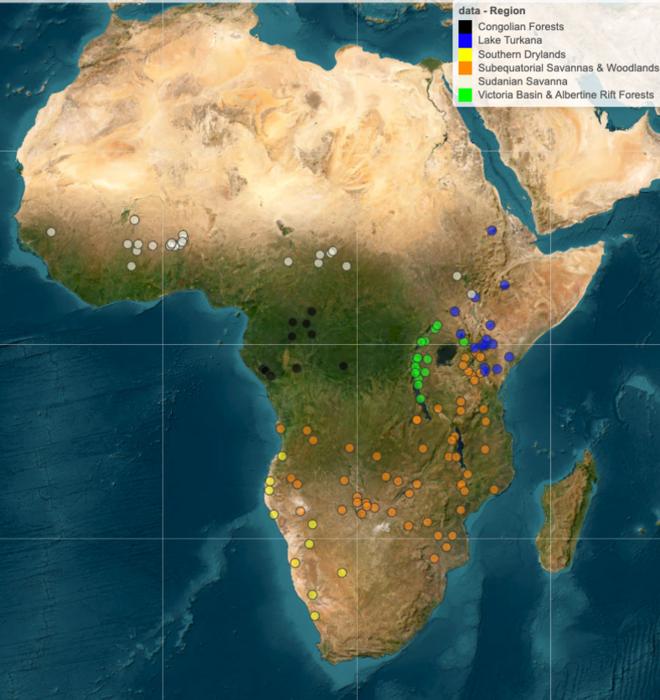
The team analyzed mammal food webs across sub-Saharan Africa to see whether broad environmental similarities lead to similar ecological patterns.
The analysis revealed that if two places look similar in their environmental conditions, their food webs tend to look similar as well, even when those places are far apart.
Read the original story in Earth.com